Listen to the specific part
Episode Transcript:
MICHAEL BOYARSKI
One of the fastest growing fields right now that we're seeing is sports tourism with kids. So what happens with vacations? Parents right now, they have the travel teams, AEU. You know what I mean? I don't know if you have any kids, but listen, you look around and you see they're not just going away for one day. Back in a day, you play a baseball game and you're coming home. They're going away for a weekend. They're going three, four days at a time and they need stuff to do. So right now what they're doing is building 100, 200,000 square foot athletic facilities and building hotels and other amenities around it. This is the fastest growing travel tourism trend that we're seeing in the United States.
GREG SIMPSON
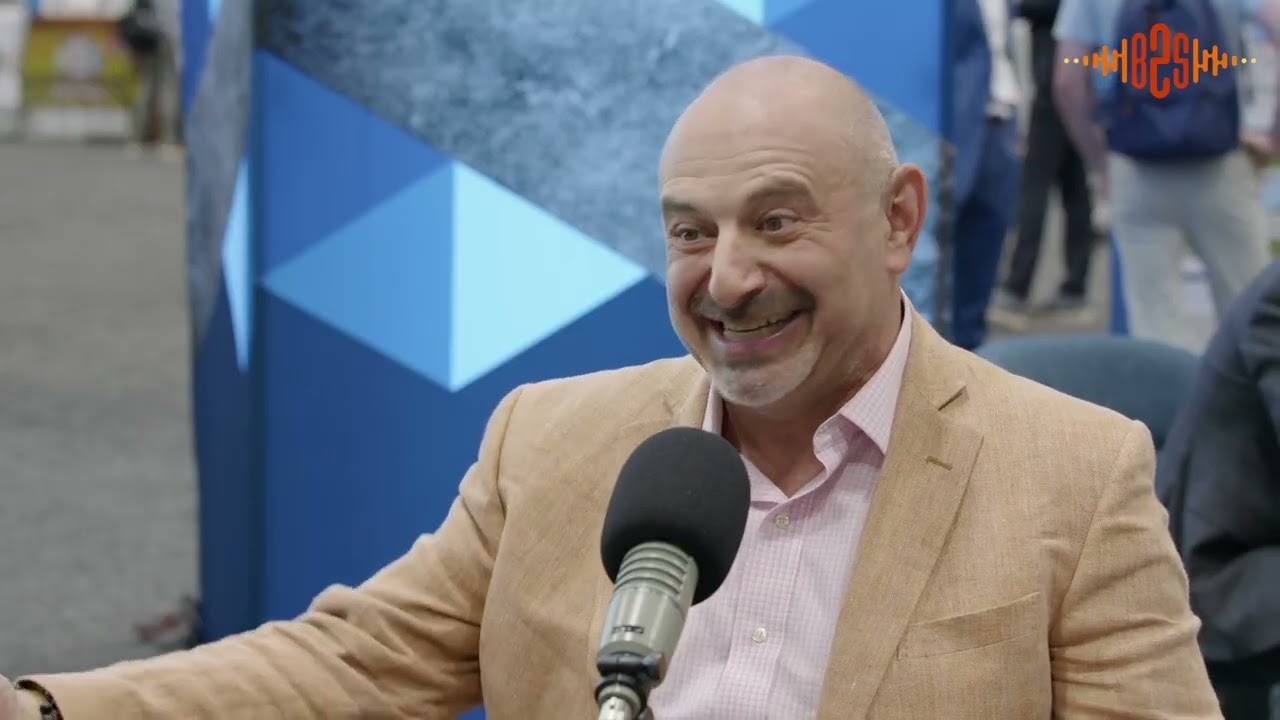
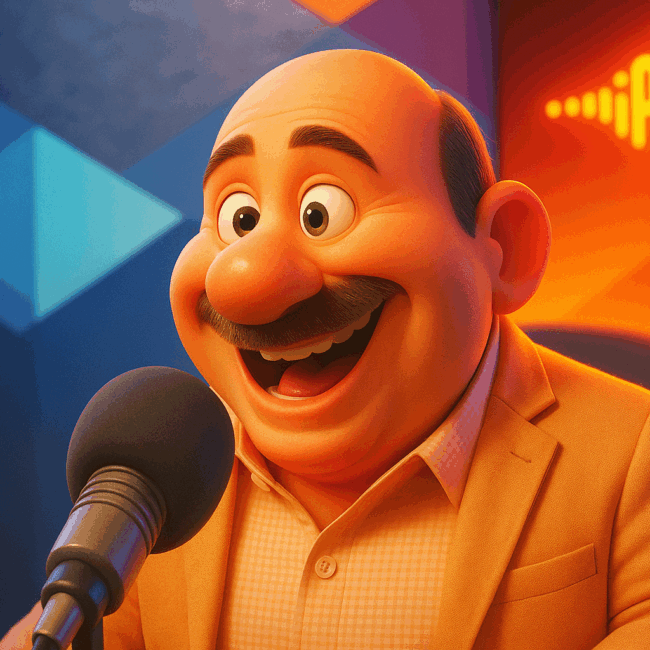
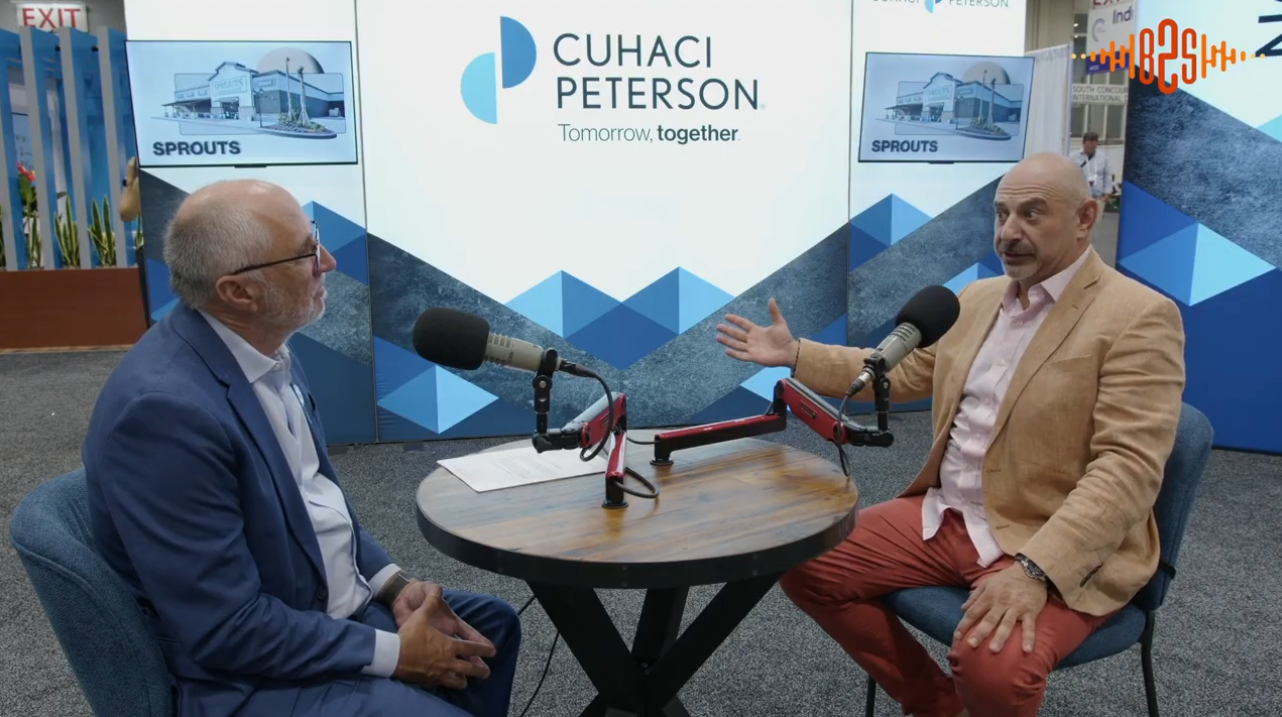
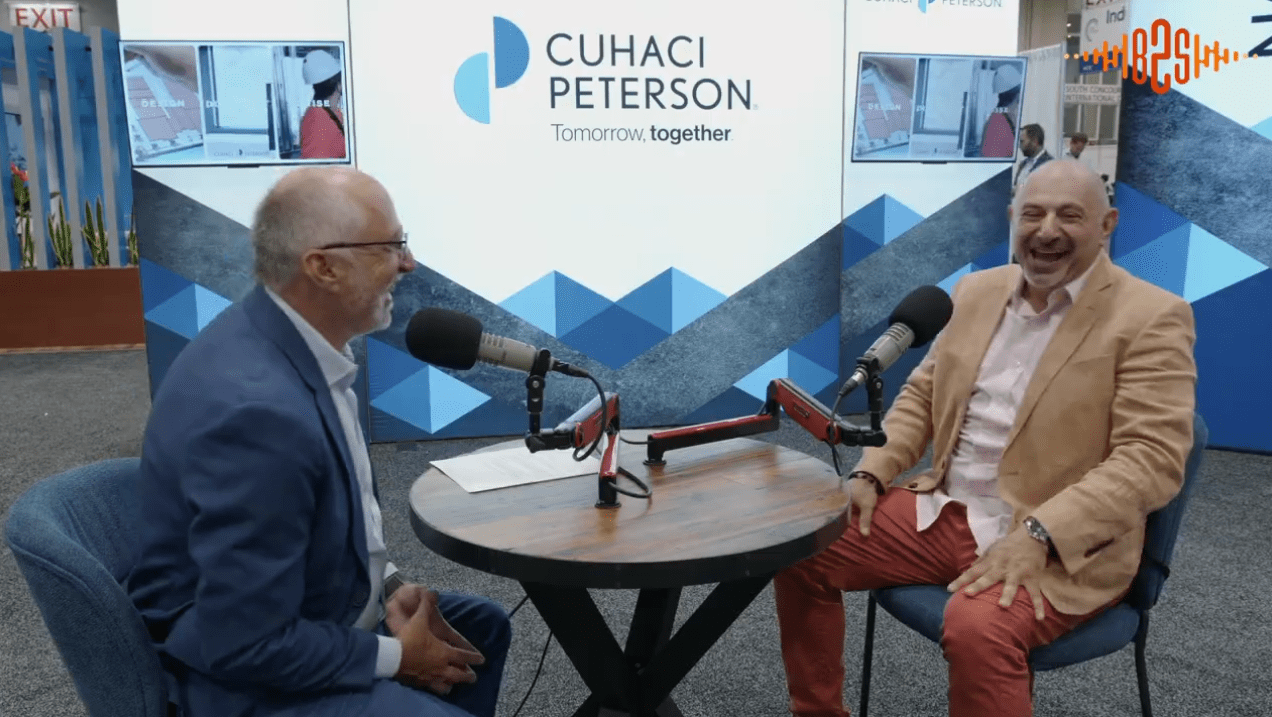
Today on the Built2Suit podcast, I had a chance to sit down with Mike Boyarski, commercial real estate agent at Welco Realty. Mike shares why Florida is booming for development, the rise of sports tourism and how cultural diversity is shaping retail. We dive into public-private partnership, emerging trends and the role of integrity in deal making. Plus, Mike's take on AI's impact on real estate, this and more on today's episode of the Built2Suit Podcast. So explain to me why New York developers and New York people develop in Florida. What is that?
MICHAEL BOYARSKI
Well, two reasons. Well, more than two reasons. Number one, the weather. How do you beat the weather? All of us have family down here, so it's like the sixth borough.
GREG SIMPSON
Yeah.
MICHAEL BOYARSKI
There's so much land here and so much opportunity. You can still live in New York part of the year and have a second, third house down in Florida. But when you really look down at Florida becomes your first house. And when you really look in terms of the quality of life, it's a different type of lifestyle.
GREG SIMPSON
So what makes it different? I'm 26 years here, so I guess I'm now considered Native Floridian. You're probably close to that. What's attractive about Florida other than taxation and maybe some kind of regulation from the Northeast?
MICHAEL BOYARSKI
Taxes. I can do business here as a passive income and not have to pay taxes up north. That's one of the aspects. I think getting through the process in regards to the ground up development. Also, there's a different outlook here than you have up north, the regulation side of it. People want to be part of the growing processes of telling you why you shouldn't be doing something. So that happens quite often. Perfect example. Try getting a liquor license in New Jersey. What does it cost you? Any idea?
GREG SIMPSON
I have northly idea. Seven figures. Seven figures.
MICHAEL BOYARSKI
Try getting one. You can get it, but the cost, it's like, listen, the cost of doing business. I love Jersey for a reason. I don't need to be the seven figures to get a liquor license.
GREG SIMPSON
And that could be kind of difficult.
MICHAEL BOYARSKI
It changes the perspective. Now, it's still being done. But come into Florida, you look at all the opportunity. Just drive down the street. You can go east, west, north, south. There's stuff being done.
GREG SIMPSON
So you got all this migration. We're post-pandemic. I've heard different varying figures. I've heard a thousand people a day. I've heard over 300,000 people a year. Where do they locate in Florida? You work in predominantly Southeast Florida. Sounds like that area is very important to you. Talk a little bit about what that's done in the areas you've been in.
MICHAEL BOYARSKI
Well, so I just mentioned, I live in East Boynton Beach. East Boynton Beach, Florida is ... There's two places in Palm Beach County, or actually in Broward also that don't have a downtown. Pompano and Boynton Beach. They're finally starting to build Boynton Beach downtown. What does it do? That means I have more walkability. I have more control about what I do every day with my life. Do I want to sit in traffic all day long? So the live work community right now, they're adding a lot of value to our quality of life.
GREG SIMPSON
I'm also looking at other things like the cruise industry, the industries in Central Florida that bring tourism. South Florida has an incredible influx of Central American, South American tourists.
MICHAEL BOYARSKI
Amen.
GREG SIMPSON
So how does that influence the work you do?
MICHAEL BOYARSKI
I don't know if it's so much the work I do. I mean, we basically look into the demographics, the population, income. That's really the specifics. If you see, what I'll say, Central America and South America, you try to fit in what they're looking for because not everything is going to be solved by a publics. So it's like, okay, maybe we fix a bakery. What do they need that they would appreciate to have that's currently not there? So if you do one, maybe you could do 10 of them. You try to scale what you're trying to accomplish. But one of the other things that you mentioned is regard to tourism. What are the fastest growing fields right now that we're seeing is sports tourism with kids. So what happens with vacations? Parents right now, they have the travel teams, AEU. You know what I mean? I don't know if you have any kids, but listen, you look around and you see, they're not just going away for one day. Back in the day, you play a baseball game and you're coming home. They're going away for a weekend. They're going three, four days at a time. And they need stuff to do. So right now what they're doing is building 100, 200,000 square foot athletic facilities and building hotels and other amenities around it. This is the fastest growing travel tourism trend that we're seeing in the United States.
GREG SIMPSON
And that's just because the warm weather in Florida are we
MICHAEL BOYARSKI
Seeing- It's not just well, Florida. It's happening everywhere. So Florida, we're very fortunate because the good weather, you could be outside 10 months at a year, but this is happening all over the country. So if people want to become ... Parents will do almost anything for their children, right?
GREG SIMPSON
Yeah.
MICHAEL BOYARSKI
Especially when it comes to sports. So cheerleading, perfect example. My niece is a cheerleader. One of the most loyal following in regards to what they do for sports. They travel everywhere. And the cost for travel is if you're bringing a family afford, hotel, travel, food, you're spending three grand minimum for a weekend.
GREG SIMPSON
For sure.
MICHAEL BOYARSKI
And it's just one family. So multiply that.
GREG SIMPSON
So do you figure that a lot of that investment's on the public side or is it a combination of public and private investment? How's that really work?
MICHAEL BOYARSKI
Public private partnership. Exactly. You need to have people in place on the government side, on the development side, because we already have the people that are traveling. If you build it, they will come. You just need to have the people in place that actually understand that. Now throughout the country, we do have that. There's basically municipalities that are developed, these sports facilities, or they have outdated buildings that they basically no longer use and don't know how to use them. So they're bringing a third party to manage it. They'll outsource the food and beverage. And now basically, as opposed to cost you new money and basically and having your maintenance team with the increased taxes, because it's costing a lot of money to upkeep. Now you're making money off of it. You're outsourcing all this.
GREG SIMPSON
So sports tourism you see is a big tailwind. There's got to be some other tailwinds coming out in the market right now that we should be looking at growth industries in retail and commercial real estate. What other ones do you see?
MICHAEL BOYARSKI
Very good question. I think a lot of the times, we have a lot of different people, a lot of ethnicities. And people forgot to come from different ethnic backgrounds. I was born a former Soviet Union. So now when I grew up in Brooklyn, I grew up, we had our own specialty shops. You know what I mean? You want something that feels like home. It doesn't mean you want it every day, but you have to have it. So what we're seeing now, there's specialty shops that come from different countries and they want their own dessert. They want their own X. They want their own Y. And what also happening is there's a lot of people from all those different countries. They want to control their own businesses. So if they come in, not if, when they come in, they'll basically take an opportunity what they don't have and to put their blood, sweat, and tears into it and borrow money and put it in and build it.
MICHAEL BOYARSKI
So we're seeing a lot of that type of opportunities. So what that allows us to do in retail industry is help them achieve those goals and take their one, two unit franchise and help grow to 10 to 20 units.
GREG SIMPSON
That's pretty impressive.
MICHAEL BOYARSKI
Well, but this is where it happens, right? So if they call me, I'm on a retail side, I'm leasing a space. I ask them, you ask them enough questions to understand what they understand. If they know how to cook, what's your background in business? How do you know you're not ... Every 18, 50% of all small businesses are going to fail within the first 18 months. Those are facts. I don't know if that's them, but we want to make sure that you know exactly what you're talking about. What if something goes wrong, you have a couple of bad months? How are you going to be supported? Just talking through those finer details, it's not about just following your dream. It's about we all have a dream. I don't want this to be your nightmare. So our also job is not just open spaces. It's also make sure that, look, I want to limit your downside because I'll get paid again to replace you, but I don't want to do that to my landlord and I want to make sure you succeed.
GREG SIMPSON
So there was a lot of opportunity came out maybe 10 years ago and they were talking about food stalls, food halls, being able to create an area where some of these small businesses could thrive without large investment. We've kind of seen that. We've kind of seen that run its course.
MICHAEL BOYARSKI
Yeah, I think so. I think you're
GREG SIMPSON
Right. And I don't know if I know why, but I'm intrigued to your insight on why did the food truck not go inside? It doesn't feel like it translates like I think people thought it would.
MICHAEL BOYARSKI
I think in some places, like when you have a tremendous amount of density, like for a perfect example, if you have a huge office building, you put a food hall in there and yes, they have a captive audience. Inside Bloomberg, for instance, you go to Bloomberg headquarters in New York City, they don't want you leaving. Google. They don't want you to leave. They'll give you everything to keep you there. Why? Because the more you stay there, the more productive you will be.
GREG SIMPSON
Makes sense.
MICHAEL BOYARSKI
Not everyone wants to do that. People still want to have some freedom. I don't know if I really want to be in a food hall. I want to leave and come back and have a choice. So in some spaces, food halls do make sense, like maybe a movie theater, sports facilities, but I don't know if that makes sense and just that as a standalone product.
GREG SIMPSON
Okay. There's got to be one thing out there that you know that we don't. Seriously. What I'm talking about is there's something that's going to happen in this market in the next five, eight years, and it's going to kind of change how we think. Do you see any factors in the market that have a chance to upend the way we do business?
MICHAEL BOYARSKI
So absolutely. Yeah. I don't know if it's going to upend, but basically either you're going to get on the bus or the bus is going to run you over. It's AI. How do we work with AI? A lot of people say, "Oh, it's not going to affect our market." Well, that's BS. Of course it's going to affect your market. It's understanding how to utilize it and put it into place and not to say it's not going to affect you. You're going to lose your job. So it's not going to take effect of our negotiation skills. You want to have a direct eye to eye conversation because I want to look at the person telling me your story. I want to know if you're lying to me, right? Amen. And that's what happens in our business, people look at you, not all, but unless the psychopath, you know what I mean?
MICHAEL BOYARSKI
And someone look away and that's how you know who the liar is. And this happens quite often. So how is AI going to help us? AI can help in regards to documents, lease preparation. But you're not going to take away your attorneys. You're not going to take away the deal makers. So AI is changing everything. Now, how else is it changing? Another perfect example, we need land, right? Because you have to build these, what's called the energy. Where's the energy going to be created to power all these computers?
GREG SIMPSON
That's absolutely its own challenge. Dying balls. Is powers and dying malls and the chance to take space and turn it into something that may be more, maybe more utilitarian. But again, I'm not sure. We keep talking about the efficiency of data models in AI and we talk about, "Oh, we're going to need this much power and now we only need this much power." I think the jury's probably not in on the total power load we'll need, but I'm excited about what it will do in our industry. I think in our industry, it turns into automations, it turns into speed, it turns into being able to parse large amounts of data and distill down to something much, much simpler. And so I think that's where we believe it lives. But I would think in commercial real estate, you hit the nail on the head. It probably starts with documents.
GREG SIMPSON
It probably starts with demographics and ensuring success for deals and a broad array of predictive analytics that we haven't even thought of yet.
MICHAEL BOYARSKI
So perfect example, I want to say people used to be ... I used to be at investments. I used to be a stock trader, bond trader, and people used to, "Oh, you can do this on your own." You could. Absolutely. That's information and there's knowledge. And what people do is a lot of times they'll take the information and take it for knowledge and let their emotions take the best to turn upside down. And how do you make a million dollars? Well, you start with two and you lose half of it and you got a million left. So our job in terms of what we do is to help control people's emotions. It's not so much the deals that you make. It's the ones that you don't make that saves the client. It shows, it's not just about the dollar. It's about long-term relationships. And the more people that have integrity, the more people that have the character and have the fortitude to say no to a deal and say, "You don't want this. If you want to do it someone else, because I want to catch egg on my face in 12 months." And we've done that. So sometimes you have to step away because you have to save face. You know what I mean?
MICHAEL BOYARSKI
Integrity is everything. It takes you 40 years to build a reputation. It takes you five minutes to lose it.
GREG SIMPSON
Oh, it's what you do when no one's looking, right?
MICHAEL BOYARSKI
Well, that's the key, right? So just, listen, if your parents are looking at you, this is what you do.
GREG SIMPSON
This is what you do. And if they're not, you should be doing the same thing most likely.
MICHAEL BOYARSKI
A lot of people take this as just a job. You can't do this as a job. It's a career. You got to live it. You got to breathe it. And if you don't like it, you're in the wrong field.
GREG SIMPSON
Amen. So I hear you're a Cowboys fan. Tell me your Cowboys story. I got to hear it.
MICHAEL BOYARSKI
Well, I'll tell you my best Cowboys story. All right. So in 1995, I had the opportunity to go to the Super Bowl, what's it called? Arizona. It was in Arizona, ASU. Cowboys played the Steelers. Great seats. And that was the last Super Bowl we ever went to. So I literally was there some of my best friends. I bought a shirt. I stayed at the same hotel with the MVPs, strictly by accident. So I have a football sign by them. I bought a shirt from, what's it called, from the Super Bowl. And then the following 4th of July, I ended up going to Hawaii. Stayed in Maui at the Four Seasons. And I'm just hanging out there. It's 4th of July. It's the first of Vander Holyfield Tyson fight was June 30th of 96. Literally watched that at the big island. Go to Maui or chill it out.
MICHAEL BOYARSKI
And I'm looking at my buddies like, "Hey, take a look." I was like, "What?" And there I look, there's Troy Aikman hanging out with all his linemen and the Hawaiian Tropics girls all surrounding him. It's like, wait a sec. And I brought my shirt from the Super Bowl. Now with it was Mark Tuan who has passed away. I literally, Troy stayed right there. I'm running to the room. I had a magic marker, brought the camera. So I have a picture of me, Troy with that. That was the best story. And after that, we suck. You know what? So it's been 30 years.
GREG SIMPSON
You know what? That is a brush with greatness we can all appreciate. Hey, Mike, thanks for sitting down with us for a few minutes. Thank you. We enjoy your insights about the industry and look forward to catching you down the road.
MICHAEL BOYARSKI
And you guys have done such an amazing job in the state of Florida and beyond. And I hope you all to be doing business with you guys friend, what's it called? As long as you guys are around.
GREG SIMPSON
I'll be making sure we're around for a long time just for you, Mike.
MICHAEL BOYARSKI
Thank you, sir.
GREG SIMPSON
Thanks.
Meet your hosts:
Greg Simpson
Host