
About this Podcast:
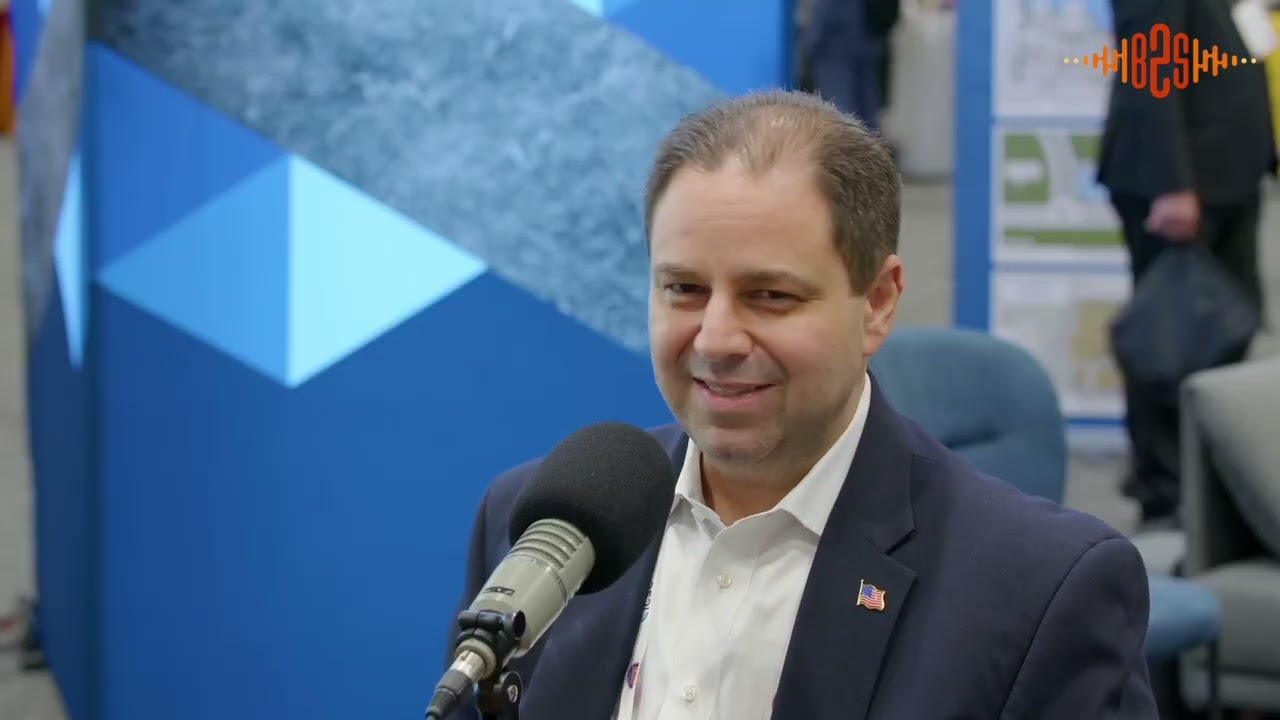
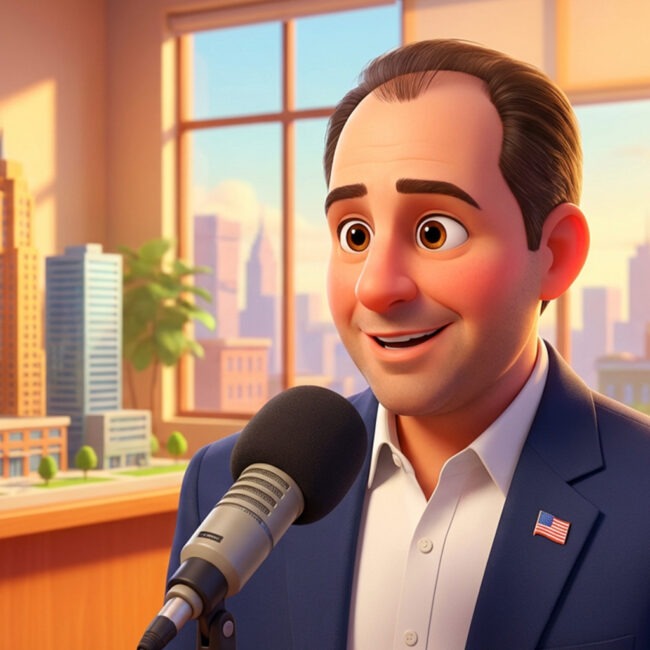
In this episode of the Built2Suit Podcast, Nathan Griffis talks with Josh Harris, Senior Vice President at Crossmark Services, about the evolution of retail real estate and the misunderstood “death of the mall.”
Josh argues that malls didn’t fail because of demand, but because of rigid financial thinking and a lack of creativity. He shares insights on how small businesses, flexible leasing, and community-focused design can revive retail and office spaces, along with advice for young professionals entering the industry. The conversation highlights why adaptability, not just capital, will shape the future of commercial real estate.
These are the voices that move the market. This is BUILT2SUIT.

Listen to the specific part
Episode Transcript:
JOSH HARRIS
Malls became this super epitome of real estate development. Yet even the biggest malls that people thought, this thing can never die, could never get replaced. And I remember I was reading about this mall and it's now a redevelopment, and it was like, "Well, this mall was always going to be great because it had all these characteristics and had all these fortress retailers, and it had fortress anchors, and it had fortress tenants." So they tried to make this argument that this mall was the most protected piece of real estate in the world. And then all of a sudden, well, that didn't work very well.
GREG SIMPSON
On today's show, we sit down with Joshua Harris, Senior Vice President at Crossmark Services to explore evolution of commercial real estate, suburban development, and the future of retail and office. He shares insights from academia and industry experience, along with advice for young professionals entering the industry. Take it away, Nathan.
NATHAN GRIFFIS
Josh, thanks for sitting down with us today. Excited to have you here. Before we get started, what's the app that Josh Harris opens up first thing in the morning?
JOSH HARRIS
Wow. The app I open up first thing in the morning. Yeah. What's the
NATHAN GRIFFIS
First app?
JOSH HARRIS
So honestly, it's probably my email. I'm checking emails first thing when I wake up to see what's going on.
NATHAN GRIFFIS
Really exciting. That's super, super exciting.
JOSH HARRIS
I know. I'm a lot of fun.
NATHAN GRIFFIS
Yeah. No, I'm glad we're doing this. So let's jump into the substance. So you said something really interesting. People like to say the mall is dead.
JOSH HARRIS
Yes.
NATHAN GRIFFIS
But is the mall dead?
JOSH HARRIS
So the mall is not dead in general, but malls that shouldn't have existed in the first place are dead. Good malls have gotten better. Bad malls are no longer malls. That's essentially the story. And so what people forget is that there was a time where there were only a handful of malls in America. Then we built a bunch more malls. And by the time we got to the peak, there were over 1,500 enclosed regional malls in the U.S., which is a crazy number when you think about it.
JOSH HARRIS
And there's no way that everywhere needed one. But everybody wanted one because that was the big shiny object of development. That was the Super Bowl project, right? If you're a commercial real estate developer, you build malls. That was the top of the pyramid. And so everybody tried to climb to the top of the pyramid. And like anything, when you build too much of anything, eventually you get too much supply, not enough demand. And when demand starts to change, the people who have the weakest product lose. And so there you go.
NATHAN GRIFFIS
Is that because you're getting a little bit too fringe, like the third, fourth tier market that probably wasn't sustainable long-term?
JOSH HARRIS
Exactly. There are three factors to mall success. One is always location. So if you're the only game in town, that's a big deal. Second factor is demographics. The more affluent and dense your trade area, the better your mall is going to perform. And the third is tenant mix.
JOSH HARRIS
And what people forgot is the tenant mix is dynamic. So 20 years ago, the best tenants were department stores. Today, the best tenants are grocery, fitness, entertainment, medical, dining — stuff people can't just replace overnight. So the malls that adapted did great. The malls that didn't, didn't.
NATHAN GRIFFIS
So is it fair to say that the malls that people thought were “fortress” malls actually weren't as protected as they thought?
JOSH HARRIS
Correct. The fortress metaphor assumed the world didn't change. But the world did change. Retail changed. People changed. E-commerce didn't kill retail, but it forced retail to evolve.
NATHAN GRIFFIS
So fast forward to now. What do you see happening to those centers that didn't make it?
JOSH HARRIS
Redevelopment. Sometimes you tear them down. Sometimes you repurpose them. Sometimes you curate a totally different mix. But it takes creativity and patience.
NATHAN GRIFFIS
Awesome. Well, Josh, thank you for sitting down with us and sharing your perspective. This has been a great conversation.
JOSH HARRIS
Thanks for having me. Really enjoyed it.

Meet your hosts:
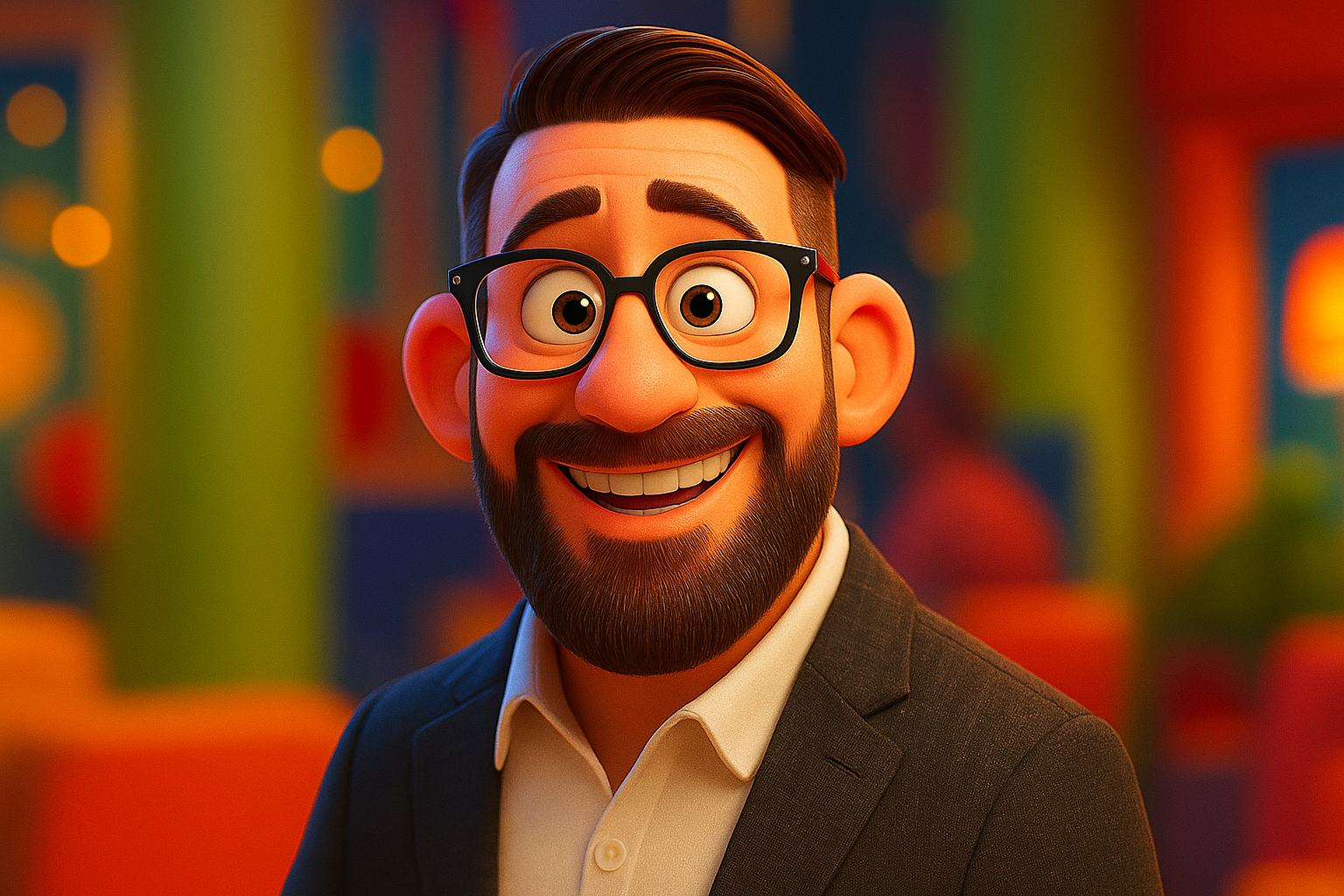
Nathan Griffis
Host