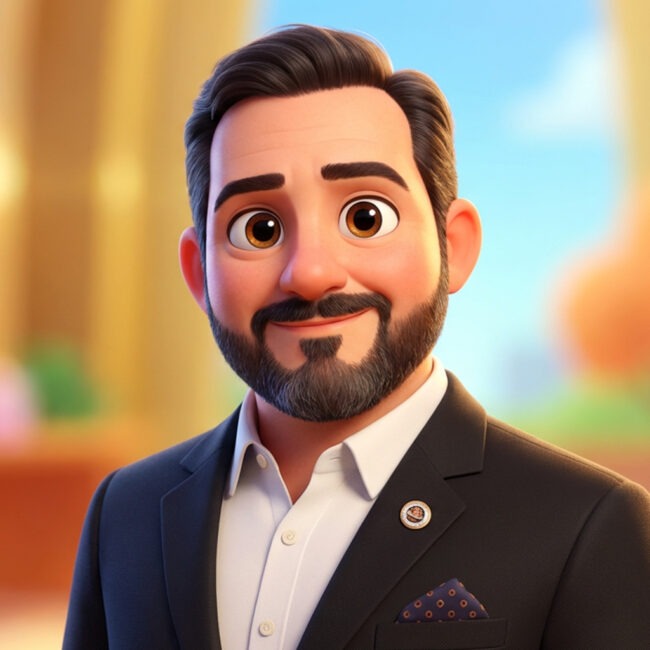

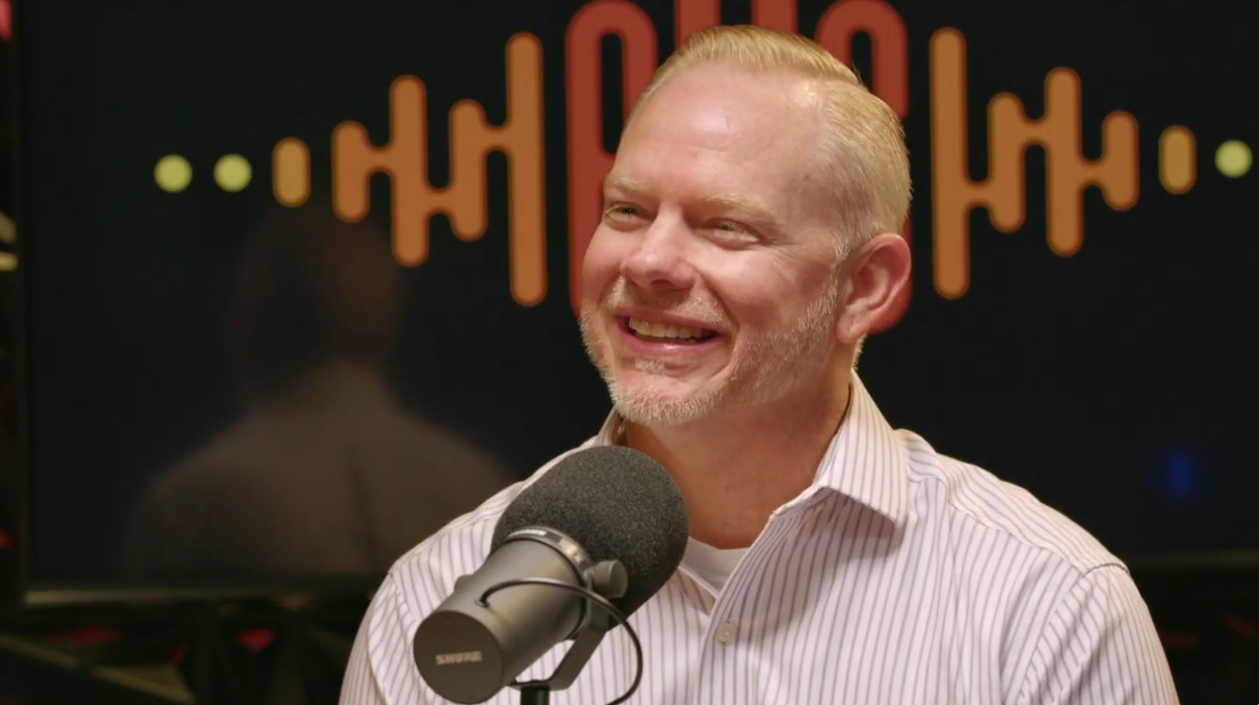

Greg Faucher – Vice President of Operations and Delivery, Cuhaci Peterson
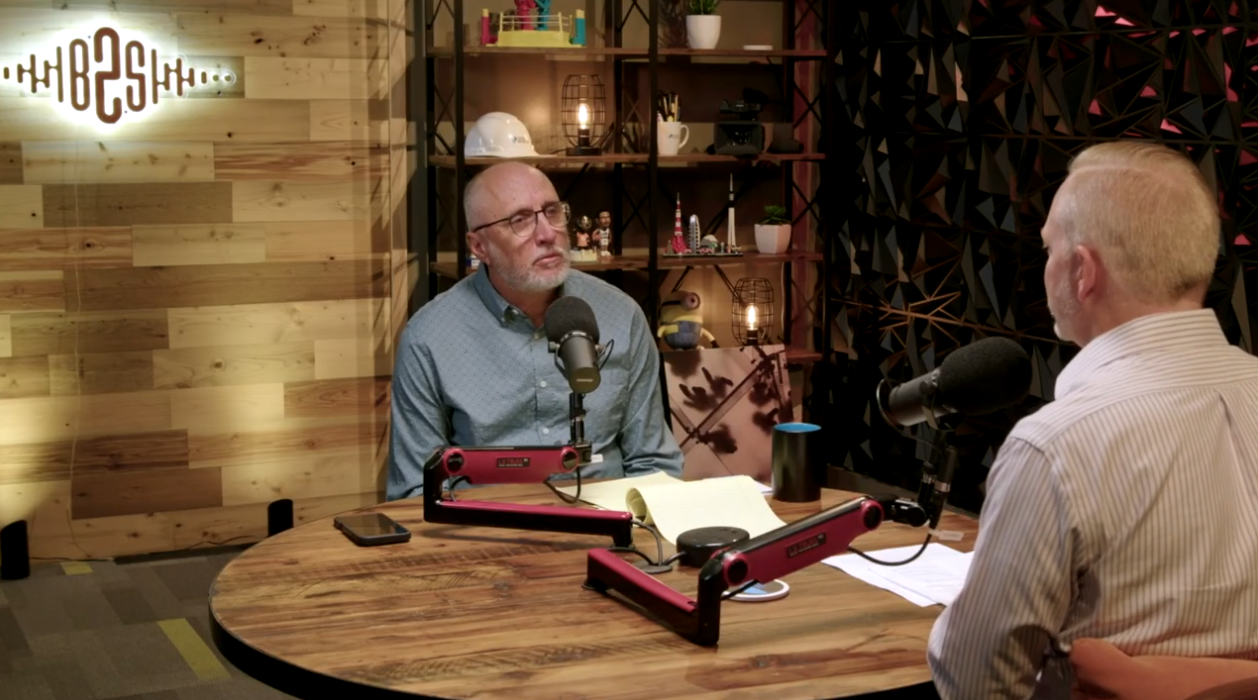
Listen to the specific part
Episode Transcript:
GREG FAUCHER
73% of job seekers in a 2025 survey said that they don't just want their employers to help guide their career, but they expect it. And so it becomes something that really is something that if we want to attract the best talent around, which I know that we do, we want to be able to give them paths to help them reach their goals. Well, I embrace it.
GREG SIMPSON
I embrace it. Greg Faucher, welcome. We're proud to have you with the firm. Wanted to take a little bit of time to really discuss kind of your mojo, where you get your mojo from, what you think you can do to help support us. You have a big fancy title, vice president of operations and delivery. So it's a lot to get out, but I want to ultimately through this conversation, learn to personalize that and dig out in there how we can create actionable things for all of our staff to learn and grow. Indeed. So excited to have you here. Really want to know what I don't know. I have a million questions I want to ask, but one in particular would be, where did you come from and how did you get here?
GREG FAUCHER
Gotcha. Well, by the way, it's an honor to be here. So thanks for having me. I literally came from Jupiter, Florida though. Jupiter, Florida is a real place. But yeah, I mean, I am an architect. I graduated around 2004 and started my career in education, K through 12. And if you know education environments, it's very process oriented, very government agency kind of stuff. So everything there was very methodical.
I did that for a few years and went into higher education after that. A little more creativity there, a little more depth of field. I was working on a vivarium, which is the study of small animals. Architecting some of that was kind of interesting. Shortly after, I found myself at a Fortune 500 company called Toll Brothers. Toll Brothers really opened my eyes to process-oriented thinking and investing in efficiency.
They invested in robotic factory systems for homebuilding long before it was popular, and that ignited a passion in me around investing in process, technology, and long-term efficiency.
GREG SIMPSON
I'm sitting here thinking about this. That's the residential side of the business. You eventually jumped into retail, which many consider the evil empire. What brought you into that space?
GREG FAUCHER
I ended up applying that interest in process to restaurant and retail environments. Over the past decade, I’ve focused on strategic planning and execution in those sectors, translating vision into actionable execution — and that’s what I’m excited to do here as well.
GREG SIMPSON
One of the challenges in our profession is losing identity by absorbing client identities. How do we strip away the noise and get to who we really are?
GREG FAUCHER
I think it comes down to acting on our values and translating them into actionable insights people can use every day. If we give our workforce bite-sized, tangible guidance, they can really run with it.
GREG SIMPSON
Career paths can feel rigid. How do we give structure without limiting personal passion?
GREG FAUCHER
73% of job seekers expect employers to guide their careers. If we want top talent, we need to give them clarity and flexibility. Our vision is to empower people with the tools and inspiration to reach their goals by identifying skill gaps and giving them ownership of growth.
GREG SIMPSON
You mentioned role enhancements. What does that actually mean?
GREG FAUCHER
Role enhancements turn a two-dimensional career path into a three-dimensional one. Instead of just moving up or sideways, employees can layer specialized skills—like project management or construction administration—onto any role, allowing faster, more flexible growth.
GREG SIMPSON
Where do you see us on the knowledge management journey?
GREG FAUCHER
There’s already strong foundational work in place. My role is to connect the dots—linking skill gaps, performance reviews, and our knowledge base to accelerate growth and deliver better outcomes for our clients.
GREG SIMPSON
Who’s responsible for career development?
GREG FAUCHER
Ultimately, it lies within ourselves. The leaders we want are hungry, curious, and lifelong learners who take ownership of their growth and help others grow as well.
GREG SIMPSON
What do you think this profession looks like in ten years?
GREG FAUCHER
Technology will play a bigger role, but investing in people, knowledge, and relationships will always be square one.
GREG SIMPSON
Final thoughts?
GREG FAUCHER
It’s about translation—taking values and vision and turning them into actionable steps people can own. When we do that, we empower our workforce and our clients to bring their stories and aspirations to life.
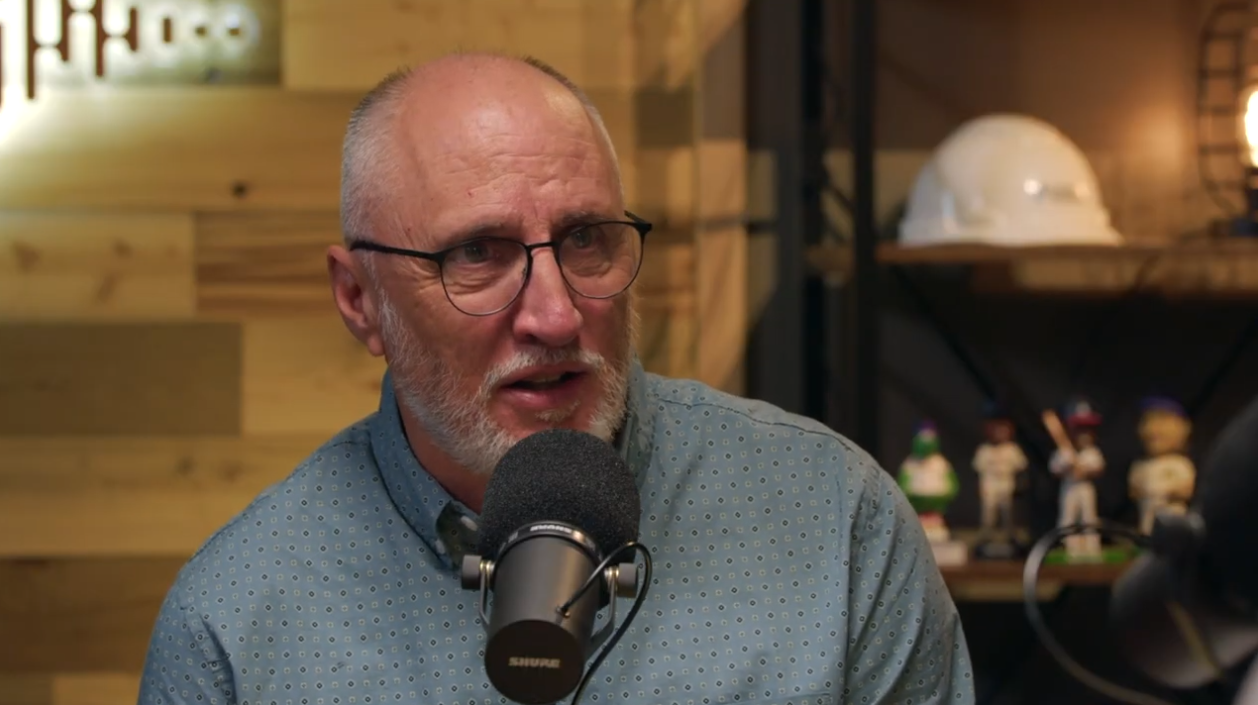
Meet your hosts:

Greg Simpson
Host