Listen to the specific part
Episode Transcript:
So we'll get the legal part out of the way. Okay. Name, title. Company you work with.
Darin RossAll right. Darin Ross, CEO and founder of FMG. We're a general contractor, national firm for offices throughout the US. Dallas, Texas. Tampa, Florida. Huntsville, Alabama. And Atlanta.
Nathan GriffisOkay. So the legal ease is, do I have permission to record, edit, and share this content? You sure do. Okay, good. Because you're a big guy. I don't think I could strap you to the chair and force you to do it. I really want to pick up our conversation.
Nathan GriffisWe cheated. We had breakfast this morning. Not really to prep, but just have breakfast. I want to talk about 3D printing first, but I want to go back to that conversation because I think that's really important stuff for the industry. We were talking man to man, parent to parent, sandwich generation stuff.
Nathan GriffisI think that's really important in an industry that's struggling for content like that. But we're excited. I know you are absolutely bullish on 3D printed buildings. So how did you get there? Where are you going, and how does it transform our industry?
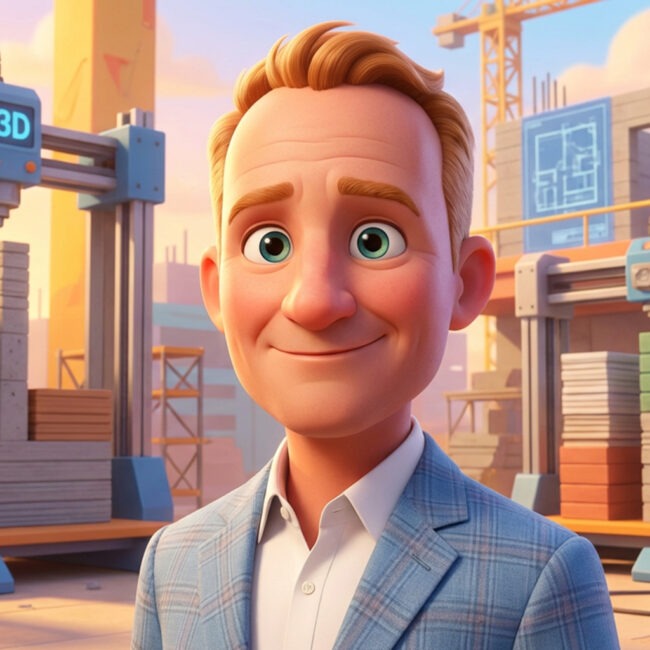
Darin RossHow I got into it started with looking for new technology in an industry that doesn’t move the needle very often. I asked one of our consultants to start attending technical conferences and find the next big thing in construction.
Nathan GriffisWhere do you even go to look for the next big thing?
Darin RossThis technology completely came out of left field. I had heard about homes being printed, mostly in Europe, but nothing really on the commercial side. The gantry system has limitations.
Darin RossWe were preparing to start a masonry project in Athens, Tennessee, when three weeks before kickoff, the customer called and said they were going to 3D concrete print it. All my folks were like, “We’re doing what?”
Darin RossWe worked with the municipality to change plans and brought in AllQuest with their robotic technology. It’s not just the robot—you need the right mix, the right conditions, and execution. We were printing in 180-degree heat on a slab.
Nathan GriffisI’ve seen concrete be a problem coming out of the mixing truck, much less through a hose.
Darin RossThe beautiful thing is, it didn’t go well at first. It took 41 days to print the walls. It was the largest structure ever printed in the U.S., with 20-foot walls. Our customer let us fail forward.
Darin RossI remember being on the slab at 10:00 at night when the technology finally worked. That’s when I knew this was going to work.
Darin RossWe applied those lessons to another project in Huntsville, Alabama. We went from a 41-day print to a seven-day print for the walls.
Nathan GriffisThat’s huge.
Darin RossIt’s about 15% cheaper than masonry. But more importantly, you save three to four weeks on the schedule. That allows customers to open sooner and start using the space.
Nathan GriffisAt the end of the day, you can show pictures, but it’s the numbers that matter.
Darin RossExactly. And we’ve purchased two robots for FMG. They’ll be here in December, and we’re ready to roll this out. Retailers and developers are very interested, especially for 5,000 to 10,000 square foot outparcel retail.
Nathan GriffisThat’s significant.
Darin RossIt’s coming.
Nathan GriffisI love that you had a relationship that let you fail that big and fail forward. That speaks to the value of trust and commitment.
Darin RossAbsolutely. And now we’re working through ASTM testing and specifications. We’re in the infancy stage, but we’re printing wall sections and doing deflection and load testing to help write the specs.
Nathan GriffisThe bleeding edge is where the greatest risks and the greatest rewards are.
Darin RossThis technology also helps with workforce development. We don’t have many young folks going into the trades, but programming a robot is a lot more attractive than laying block.
Nathan GriffisThat’s the same argument every time technology evolves.
Nathan GriffisAnother big part of what we want to talk about is professional development and leadership. Work-life balance is a lie. So tell the audience what your wife said to you.
Darin RossShe said, “I get exhausted.” By the time I get home on the weekends, I’ve said all the words I have. I even told my business development group not to book me for meetings on Fridays.
Darin RossYou’ve got to get comfortable being uncomfortable, but you also need a counterweight—an outlet—or burnout will get you.
Darin RossHealth is my outlet. I’m up early, walking by 4:30 a.m., listening to podcasts, lifting weights, using the sauna, and reading. That time is mine, and it’s paid dividends physically and mentally.
Nathan GriffisDiscipline is the common thread. For me, running gives clarity. I’m less angry when I’ve had that outlet.
Darin RossYou never regret finishing the workout. You conquer the doubts first thing in the morning, and then the rest of the day is easier.
Nathan GriffisYou also have your son working with you. That brings pride and challenges.
Darin RossI always ask him, “Do you want to talk to your dad or your boss?” He earned his place and works for our leadership team. Nepotism doesn’t belong in business.
Nathan GriffisThat sends the right message to the organization.
Darin RossI also work with a mental coach. Having an outside perspective helps me process decisions without reacting emotionally.
Nathan GriffisOne of our rules is to assume positive intent. It almost always leads to a better outcome.
Nathan GriffisI appreciate your transparency and your leadership. You’re doing important work for the industry.
Darin RossAny time. I appreciate it. Thanks for having me.
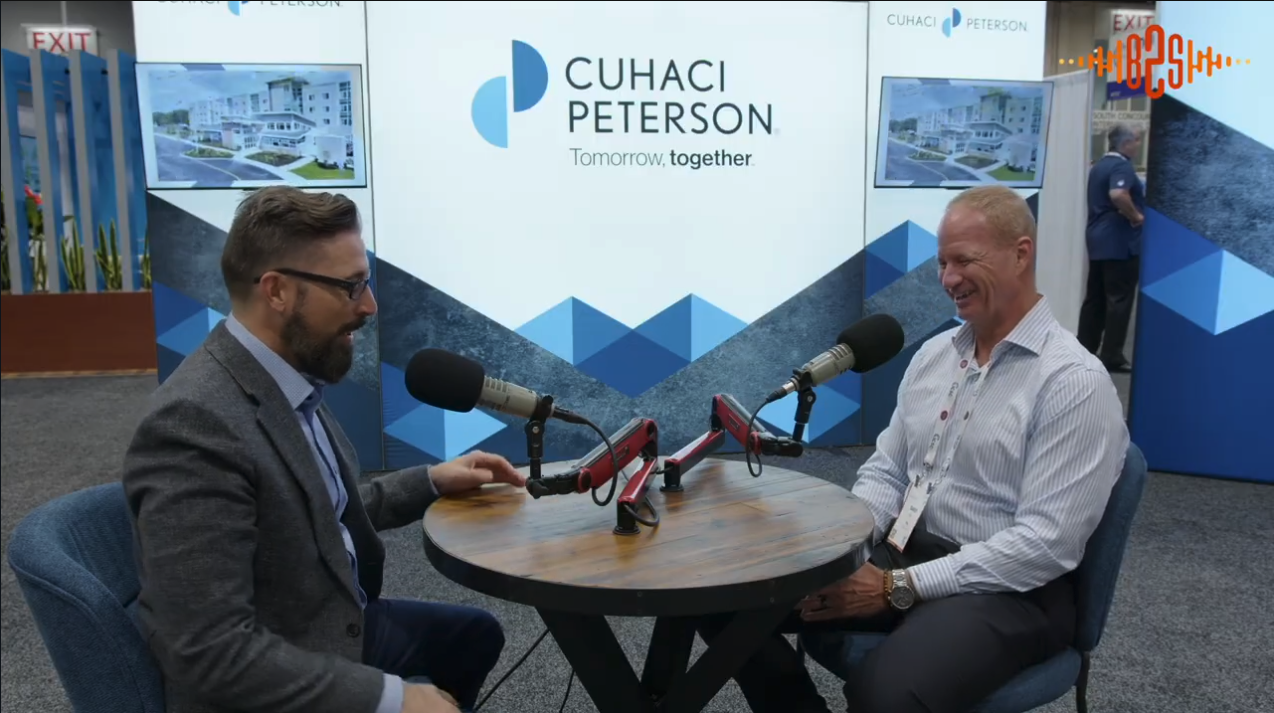
Meet your hosts:
Nathan Griffis
Host